|

Magic Penny Award
Malvina Reynolds (1999)The Magic Penny Award, named after the song by Malvina Reynolds, is a Children's Music Network tribute to people in our community who have dedicated their lives to empowering children through music. CMN gives this award annually at our national gatherings to honor the lifetime achievement of someone whose work most embodies our mission. In October 1999 the first award was given posthumously to Malvina herself, through her daughter, Nancy Schimmel. Let's Go Dancing Til the Break of Day: A Remembrance of Malvina Reynolds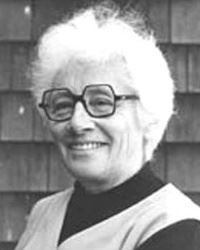
by Nancy Schimmel From Pass It On! Issue #35 (Spring 2000) My mother, Malvina Reynolds, once told me that when she was young, she would lie in bed and imagine that she was onstage, dancing, with a spotlight following her. She wanted to be a movie star, but she assumed that that would never happen, so she decided she'd be a teacher instead and work a smaller stage. Although she never actually taught except briefly as a student in college, she did reach center stage in her own way performing the songs she wrote. Malvina recorded 6 albums for adults and 3 for children and kept writing and performing until a few days before her death at the age of 77. She was born in San Francisco on August 23, 1900. Music was always a part of her life. To wake up his children in the morning, her father would wind up the phonograph and play a record. Her parents didn't have much money, but they saw to it that their children had violin lessons. When Malvina and her brother grew up, they both played violin in dance bands. Malvina, who dreamt of being onstage and eventually realized that dream, was a shy person. As she herself wrote,
Malvina found friends, but she didn't often find a group she fit into:
Malvina's world view was strongly shaped by hearing her parents discuss politics with their friends. They were socialists, and she said that that view "always made sense" to her. They were also openly opposed to U.S. participation in the First World War, which they considered an imperialist war. In fact, on the morning of her high-school graduation exercises, Malvina was warned by a friendly teacher that she and her cousin were to be refused their diplomas in front of everybody because of her parents' political views.
It was while she was in high school that Malvina first met William "Bud" Reynolds, at a socialist dance. He was a merchant seaman, seven years older, handsome, and even more shy than she. He was self-educated, having left school after the eighth grade. They read poetry to each other in Golden Gate Park, but when he proposed, she refused. Encouraged by her mother, she had her sights set on college and a career. She got into the University of California at Berkeley without a high-school diploma, and it was while doing graduate work in English there that she did some student teaching. She used pop songs to teach her high-school students about rhyme scheme and meter, as they were not poetry readers. Malvina found her "gang"-her compatible, accepting group - in the English Department at UCB and stayed around to get "all the degrees possible," as she says in Love It Like a Fool, the film documentary made about her. She married someone else, and so did Bud. He ran for governor of Michigan on the Socialist ticket, with the slogan, "You provide the evictions, we'll provide the riots!" They found each other again after she was divorced, and this time she said yes. My mother was writing her dissertation when I was little and got her PhD in 1936. But it was the middle of the Depression; she was Jewish, a socialist, and a woman; and she couldn't get a job teaching. But when the Second World War broke out, she got a job on an assembly line in a bomb factory, and Bud went to work as a carpenter in a shipyard. My mother came from a long line of women who worked outside the home. Her grandmother ran a deli while her husband read Torah. Her own mother and father ran a naval tailor shop. When I was in the fifth grade, my mother's father died, and she and my father and grandmother ran the shop together. While my father worked as a carpenter and organizer and ran the family business with my mother, he also changed my diapers, and he made breakfast most mornings. He encouraged and helped my mother in her songwriting career, but he made the decisions about money. My mother wasn't always happy with them. He died seven years before she did, and while she missed him terribly, she told me it did give her a certain satisfaction to be making her own business decisions.
There were strong political statements made in many of my mother's songs, but it was often done with humor, gentleness, and poetic images. Of course the humor and gentleness were basic to her children's songs, but she could make points there, too. For example, her song against drug use, "It's Up To You," starts out whimsical, saying, "You might have been born a ladybug, you might have been born a bat"; but it gets serious eventually, when it says, "You were born a being with a mind and a voice, and the power of choice." Although she gradually began to write more children's songs, Malvina was careful to point out that she didn't exactly fit the stereotype of the children's performer and songwriter. In a workshop on children's music that she gave at the Pied Piper Music Festival in 1977, she said,
Julie Thompson, producer of several of Malvina's albums, interviewed her on the radio in Los Angeles in 1977. In answering a question about children writing their own songs, Malvina said,
In answer to a question about using traditional songs with children, Malvina said,
Copyright 2000 Nancy Schimmel Nancy Schimmel is a storyteller, author, and award-winning songwriter (a late bloomer in this regard, as her mother was), living in Berkeley, California. Much of the material quoted in this article is taken from a radio interview and notes from a workshop on children's music given by Malvina at the 1977 Pied Piper Music Festival. These are used with permission from Nancy Schimmel. The entire interview and notes appear in Patty Zeitlin's book, A Song Is a Rainbow (Scott, Foresman, 1982). Other quotes are taken from Malvina's unfinished autobiography. More about Malvina
Award CeremonyThe award was given posthumously to Malvina herself through her daughter, Nancy Schimmel, at CMN's Annual Conference in 1999.
Our 1999 Magic Penny award was designed by Eliza Zeitlin. |
 Malvina had always written newspaper articles about her factory days, as well as poems, stories, and the occasional song but she didn't begin songwriting in earnest until she was about 45. A songwriting group had formed in Los Angeles around Earl Robinson and the People's Songs crowd (the People's Songs Bulletin was the forerunner of Sing Out! magazine.) Her first songs were for adults. She did write "Magic Penny" early on, but didn't think of it as a song for young children. She was writing the line "Let's go dancing til the break of day" while I was at one of those awkward junior-high dances. I'm sure she was wishing she was dancing, too (my father didn't dance, and I was my mother's folk-dance partner).

About the Magic Penny Award
The Magic Penny Award, named after the song by Malvina Reynolds, is a Children's Music Network tribute to people in our community who have dedicated their lives to empowering children through music. In October 1999 the first award was given posthumously to Malvina herself, through her daughter, Nancy Schimmel.
Each year the Magic Penny Award program is a highlight of the CMN International Conference. The tribute program features songs written by or used by the recipient, informative appreciations of the recipient's work, and of course the presentation of the award itself.
Award Recipients

Dave Kinnoin
Melanie DeMore
Joan Ganz Cooney
Aaron Nigel Smith
Daniel J. Henry Jr.
Jean N. Hendricks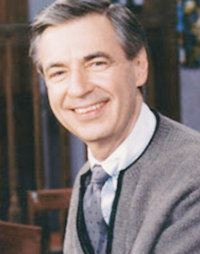
Fred Rogers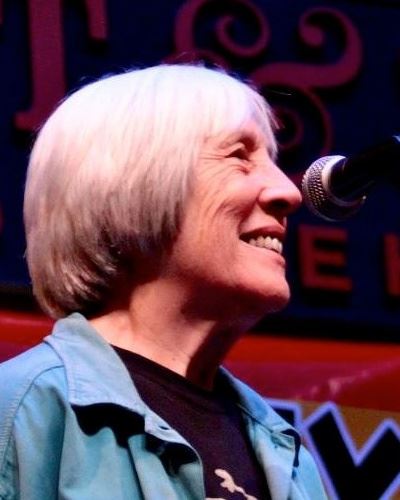
Nancy Schimmel
Kim & Reggie Harris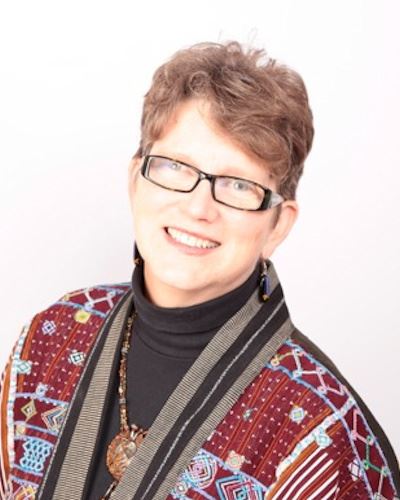
Sally Rogers
Jose-Luis Orozco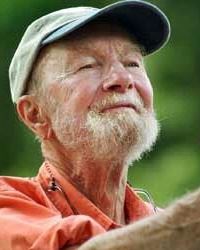
Pete Seeger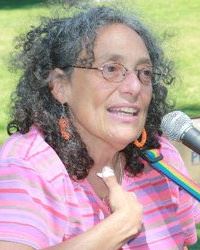
Ruth Pelham
Tom Hunter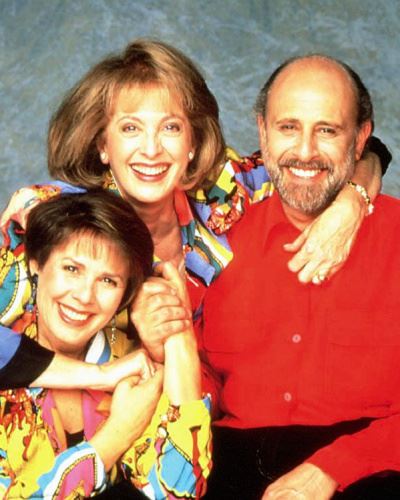
Sharon, Lois & Bram
Joanne Hammil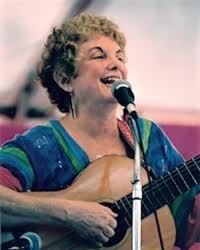
Ruthie Buell
Tom Chapin
Bill Harley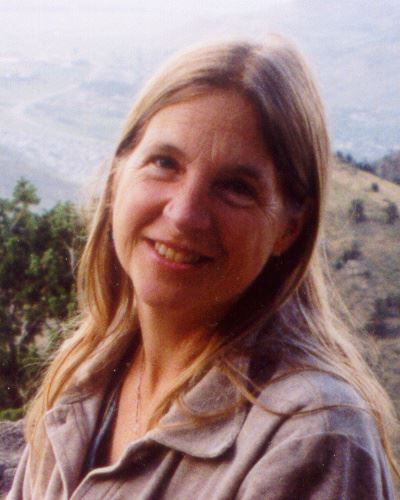
Sarah Pirtle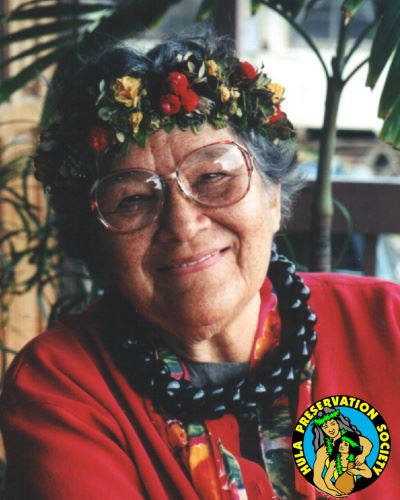
Nona Beamer
Ruth Crawford Seeger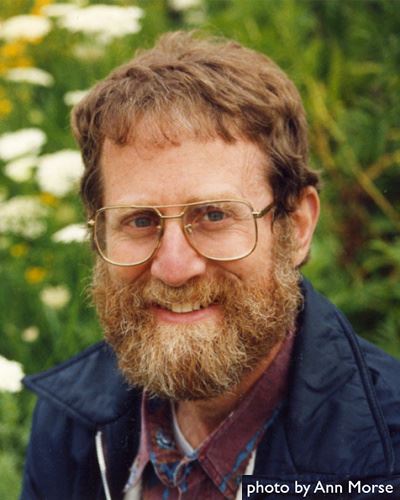
Bob Blue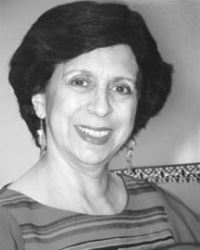
Suni Paz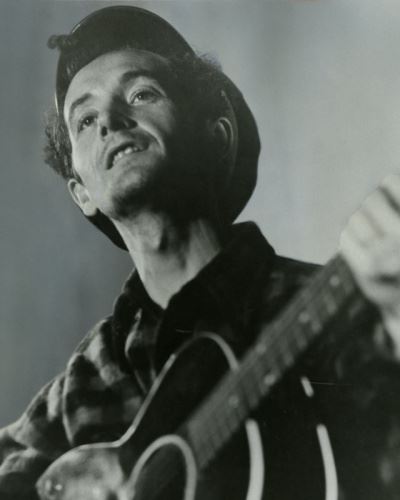
Woody Guthrie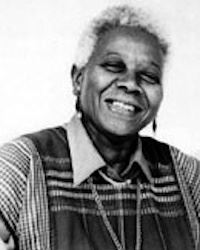
Ella Jenkins
Marcia Berman
Malvina Reynolds
Photo Credits: Sandy Morris (Nancy Schimmel), Maile Beamer Loo/Hula Preservation Society (Nona Beamer), Ann Morse (Bob Blue), Robin Carson (Woody Guthrie), Janice Buckner (Marcia Berman), Eleanor M. Lawrence (Malvina Reynolds), Ramiro Fauve (Suni Paz)